Rollina: A Modern Handwritten Font for Editorial Design
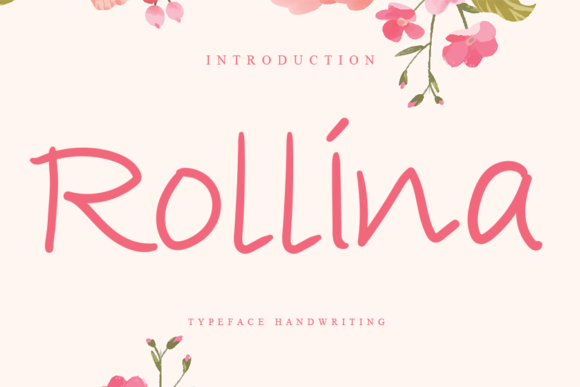
In the world of digital publishing and editorial layout, the choice of typeface is rarely just about aesthetics; it is a strategic decision that dictates how a reader interacts with your content. As creators of blogs, magazines, ebooks, and newsletters, we constantly search for that perfect balance between personality and professionalism. Enter Rollina, a friendly handwritten font with a modern style that has quickly become an essential asset for designers looking to elevate their projects. Unlike many script fonts that sacrifice legibility for flair, Rollina offers a clean, approachable aesthetic that works exceptionally well for branding, headings, and high-impact visual elements.
When developing a publication identity, whether for a lifestyle blog or a comprehensive coaching workbook, the header typography sets the tone before a single word of body copy is read. Rollina brings a human touch to digital interfaces that sterile geometric sans serifs often lack. Its strokes feel organic yet controlled, making it an ideal display font for magazine covers, ebook titles, and newsletter headers. The font's modern sensibility ensures it does not feel dated or overly ornate, allowing it to sit comfortably alongside contemporary design trends while maintaining a timeless appeal.
Elevating Visual Hierarchy in Layouts
One of the primary challenges in editorial design is establishing a clear visual hierarchy. Readers scan pages rather than reading every word linearly, especially on mobile devices. Rollina excels as a tool for guiding the eye. Because of its distinct character shapes and fluid baseline, it naturally draws attention to key areas such as chapter openers, pull quotes, and section breaks.
Consider the layout of a digital guide or a printable planner. Using a standard bold sans serif for every heading can make the document feel monotonous and corporate. By swapping those primary headings for Rollina, you instantly create a rhythm on the page. It signals to the reader that this specific section is important, inviting them to pause and engage. For quote graphics shared on social media or embedded within articles, Rollina adds an emotional layer, making the words feel personal and authentic, as if written by the author themselves.
- Blog Headers: Use Rollina for post titles to give lifestyle and travel blogs a warm, inviting feel.
- Ebook Covers: The font's clarity ensures title text remains readable even at thumbnail sizes on retailer sites.
- Newsletter Graphics: Break up text-heavy emails with Rollina accents to increase click-through rates.
- Worksheet Branding: Add a personal signature style to coaching materials and lead magnets.
Strategic Font Pairing for Readability
While Rollina is a standout script font, it is not designed for long-form body copy. Handwritten typefaces can cause eye fatigue when used for paragraphs exceeding a few lines. The true power of Rollina in editorial design emerges when it is paired effectively with complementary typefaces. For a classic, sophisticated look, pair it with a highly readable serif font for the body text. This combination works beautifully in literary magazines, wedding guides, and narrative-driven ebooks, where the serif provides a traditional reading experience while Rollina adds modern flair to the titles.
Alternatively, for a cleaner, more utilitarian approach suitable for tech blogs, business guides, or instructional manuals, pair Rollina with a neutral sans serif font. The contrast between the organic curves of the handwritten title and the structured geometry of the sans serif body creates a dynamic tension that keeps the layout interesting. This pairing is particularly effective in mobile layouts where screen real estate is limited; the simplicity of the sans serif ensures readability on small screens, while Rollina maintains the brand's unique voice in the navigation and headers.
Practical Applications Across Media
The versatility of Rollina extends far beyond simple headings. In the realm of packaging design and product branding for digital creators, this typeface can serve as the cornerstone of a brand identity. Imagine a recipe ebook where the ingredient lists are in a clean sans serif, but the recipe titles and "Chef's Notes" are highlighted in Rollina. This not only organizes the information but also infuses the content with the warmth of a home kitchen.
For independent content brands and course creators, consistency is key. Using Rollina across various touchpoints—from the cover of a PDF workbook to the watermark on video thumbnails—creates a cohesive visual language. It helps audiences instantly recognize your content amidst a sea of generic templates. Furthermore, because Rollina is a modern typography solution, it supports multilingual characters and includes various alternates and ligatures. This allows designers to customize the flow of the text, avoiding repetitive letter combinations that can make script fonts look artificial.
Optimizing for Screen and Print
When exporting content for different mediums, technical considerations are vital. For web design and social media graphics, ensure that the font file is optimized for fast loading without losing the crispness of the strokes. Rollina renders well on high-resolution retina displays, maintaining its smooth edges. However, for print materials like invitations, brochures, or physical workbooks, it is crucial to export files as high-quality PDFs with fonts embedded. This prevents the renderer from substituting the typeface, which could ruin the delicate balance of the handwritten style.
Readability on mobile devices requires extra attention to line height and letter spacing. When using Rollina for subheadings in a responsive blog theme, increase the line height slightly to prevent the ascenders and descenders from colliding with adjacent lines of text. This small adjustment significantly improves the user experience for readers accessing your content on smartphones.
Licensing and Commercial Use
As professional publishers and designers, understanding licensing is non-negotiable. Rollina is available as a commercial font, making it suitable for a wide array of revenue-generating projects. Whether you are designing a paid newsletter, creating a template for sale on a marketplace, or developing branding for a client, ensuring you have the appropriate license is essential. Unlike free fonts that may restrict commercial usage or require attribution, a premium license for Rollina provides the freedom to use the typeface in logos, merchandise, and unlimited digital downloads without legal ambiguity.
In conclusion, integrating Rollina into your design toolkit offers more than just a pretty face; it provides a functional element that enhances reader engagement and strengthens brand identity. By thoughtfully applying this friendly handwritten font to headings, covers, and accent elements, you can transform standard layouts into compelling visual stories. Whether you are crafting a wedding invitation or a complex digital magazine, Rollina delivers the perfect blend of modern style and human connection.